Science
Learning from
the living world.
Structures that cross a barrier.
Cells that remember an encounter.
A closer look at both.
01 / Bioinspired delivery
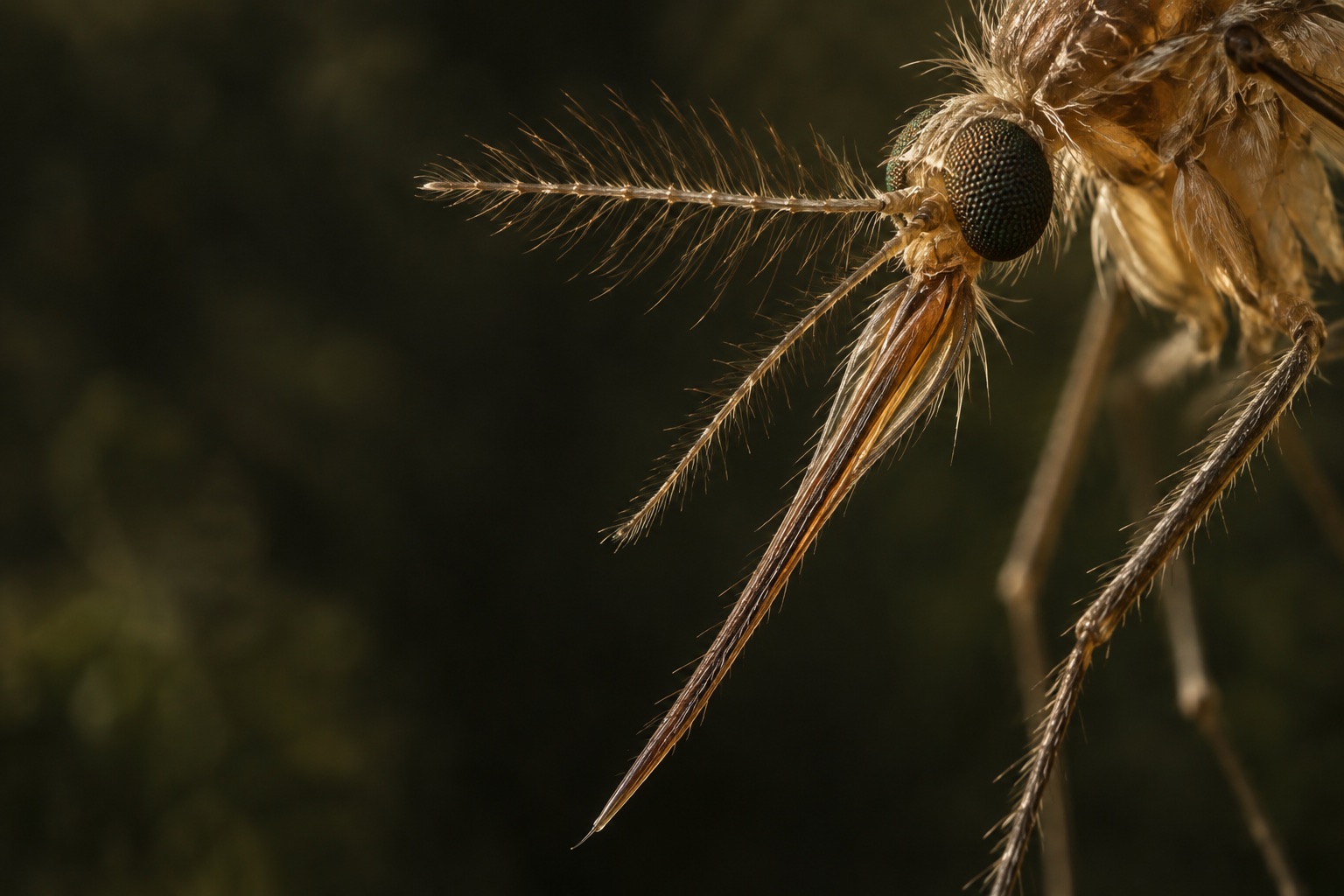
Six fine stylets.
One coordinated system.
A mosquito’s proboscis contains six slender stylets, supported by an outer sheath. Shape, support and movement work together to cross the skin.
Our comparison examines published puncture experiments and the constraints that matter for dissolving patches.
02 / Tissue Models
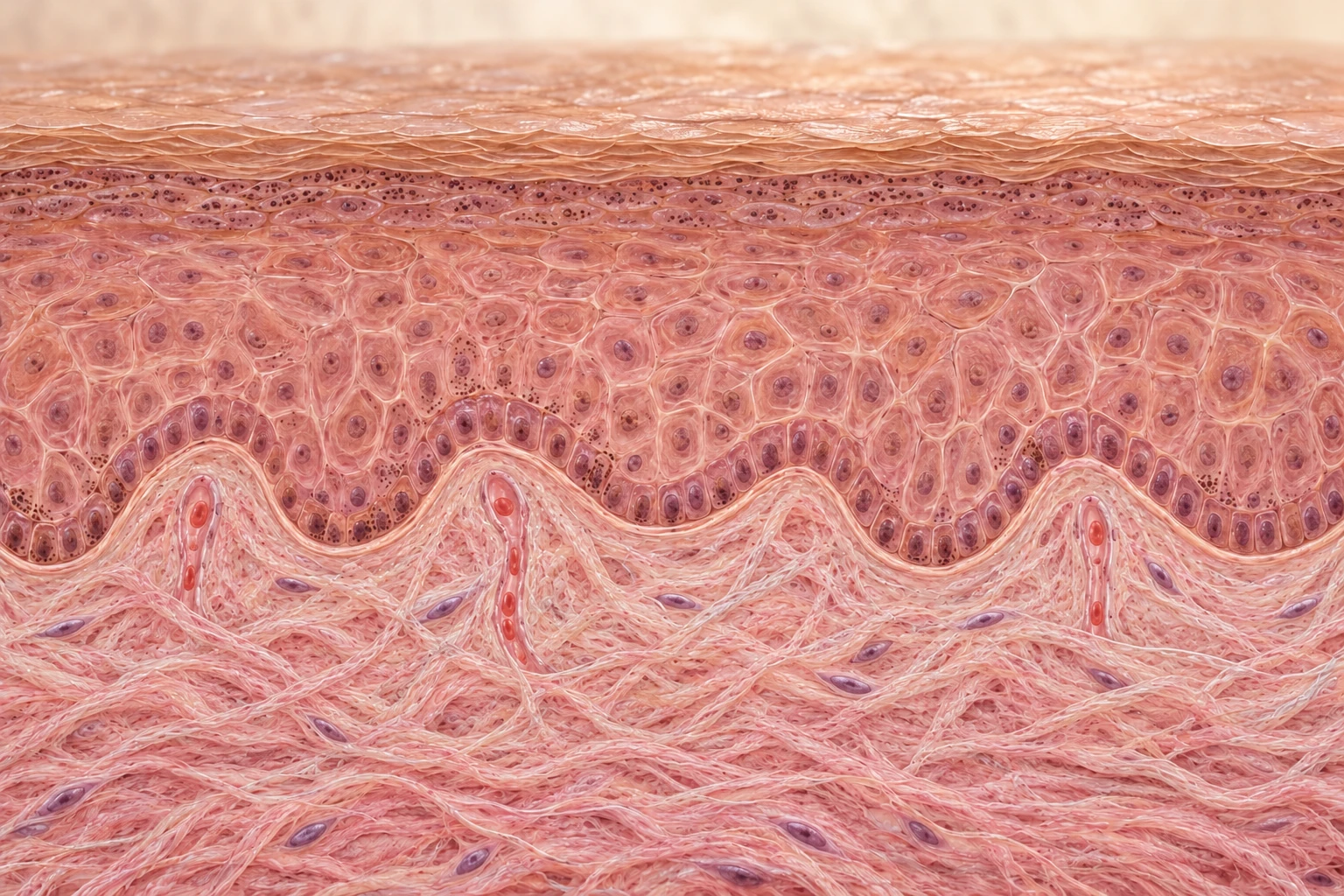
Skin, from the inside.
A surface becomes a landscape of cells, fibres and living interactions.
The barrier is
only the beginning.
Human skin studies help distinguish material left on the surface from material recovered within tissue.
Recovered dose and biological activity answer different questions. A delivery result depends on both the tissue preparation and the measurement.
Reading tissue evidence
Published culture studies use different preparations and observation periods. Their findings apply to the conditions tested.
Excised skin can support conclusions about local delivery and response. It cannot establish systemic circulation or vaccine protection.
03 / Cellular regulation
A cell can remember.
An exposure can end while its influence on a later response remains.
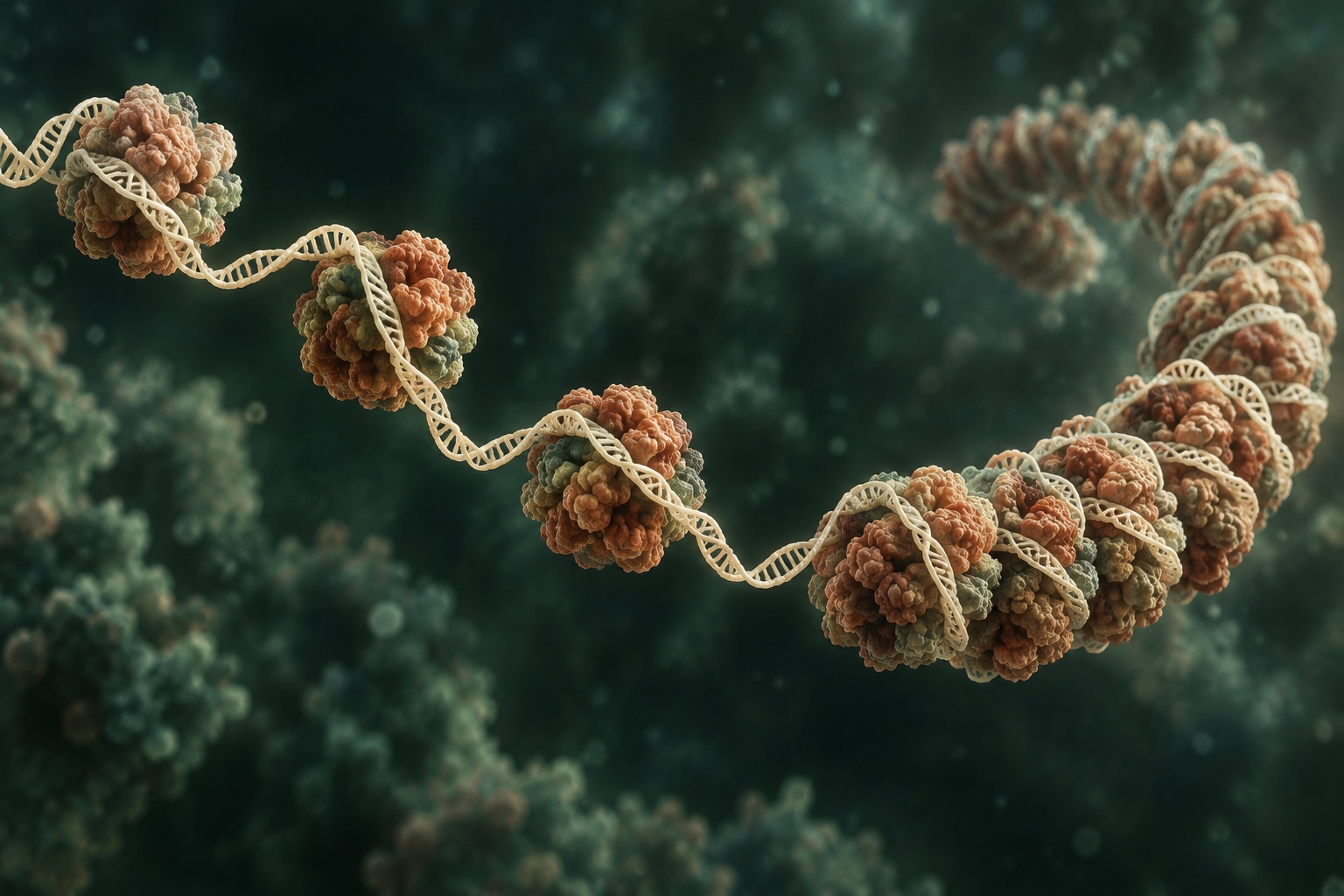
How DNA is packaged helps shape which genes a cell can use. Our analyses examine peptide–chromatin docking and public gene-expression data.
A predicted interaction and a change in gene expression are different kinds of evidence. Neither alone demonstrates a lasting cellular memory.
Recovery and memory
A signal returning towards baseline describes recovery. Establishing memory requires evidence that an earlier exposure changes a later response.
Our research
Questions we study.
How material enters tissue, how cells respond and how those changes are measured.
How does a dose
get in?
Published puncture studies show how shape, support and motion affect entry. Our comparison examines which findings are relevant to a dissolving patch.
What happens
in living tissue?
Our tissue note examines dose recovery, biological activity and the limits of human skin studies.
What changes
inside the cell?
Our analyses revisit public expression data and compare molecular and electrical models. Their findings depend on the datasets and model assumptions.
What remains
after exposure?
A response can persist after exposure ends. Our recovery note explains why a remaining signal alone cannot distinguish recovery, injury and memory.